Senior Living: Ultimate Overview
Charlotte's Assisted Living Benefits: Quality Care Meets Community
Charlotte assisted living offers a carefully crafted blend of excellent care services and social connection. Residents enjoy personalized care plans that meet individual needs while encouraging independence. Improved safety features and a diverse selection of social activities establish a supportive environment. Furthermore, the emphasis on nutritious meal options and daily assistance ensures overall well-being. This model not only enhances the quality of life but also encourages family involvement, leading to deeper connections. The benefits of this approach are valuable to examine more closely.
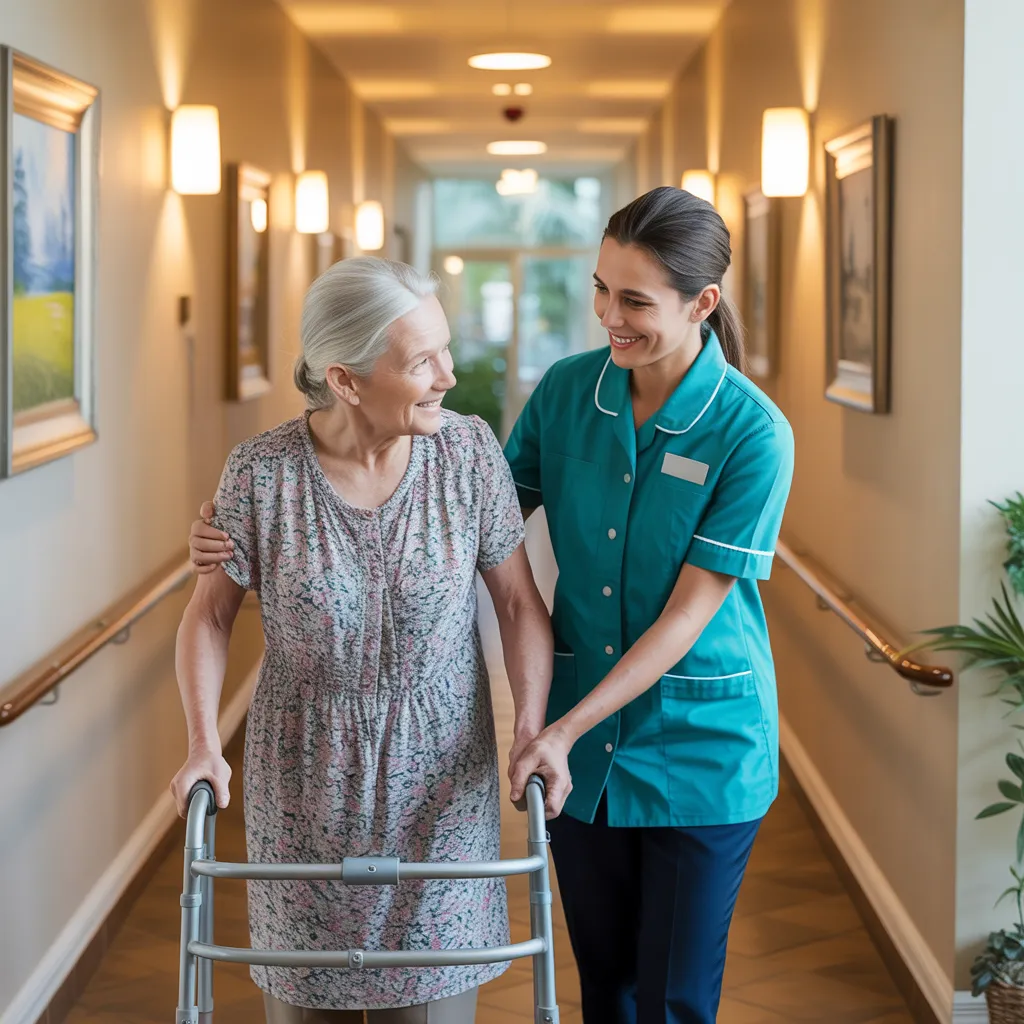
Personalized Care Plans for Unique Needs
In Charlotte's assisted living Assisted Living Charlotte facilities, personalized care plans are essential for addressing the unique needs of each resident. These customized plans consider individual health conditions, preferences, and lifestyle choices, guaranteeing residents receive suitable support levels. Care teams cooperate directly with residents and their families to determine needs and create achievable objectives. Consistent evaluations facilitate adjustments as circumstances shift, supporting optimal well-being. This personalized approach not only improves physical health but also promotes emotional and social engagement, assisting residents in maintaining their sense of independence. By prioritizing personalized care, Charlotte's assisted living facilities create an environment where residents feel valued, supported, and empowered to thrive in their new community.
Enhanced Safety and Security Features
The assisted living centers in Charlotte concentrate on delivering personalized care while implementing enhanced safety and security protocols to provide a safe habitat for residents. Such communities feature state-of-the-art security technology, featuring monitoring cameras and controlled access points, guaranteeing that unauthorized persons cannot readily enter the property. Moreover, crisis alert systems are integrated into each resident's quarters, permitting prompt aid when emergencies arise. Team members undergo instruction in safety measures, moreover confirming residents' health and safety. Routine emergency exercises and evaluations are performed to sustain optimal readiness. All in all, these improved safety elements deliver comfort to residents and their relatives, promoting a safe and nurturing community setting.
Interactive Social Activities and Events
Vibrant social activities and events are important elements of assisted living in Charlotte. Residents can take part in community gatherings and celebrations, experience recreational and creative outings, and attend educational workshops and classes. These experiences foster relationships and enrichment, elevating the overall quality of life for individuals in these communities.
Community Celebrations and Social Gatherings
While numerous individuals may regard assisted living as a place of solitude, community gatherings and celebrations play an important role in fostering connections among residents. These events present opportunities for individuals to engage with one another, share experiences, and build friendships. Regularly scheduled activities, such as holiday parties, birthday celebrations, and themed social nights, create an inviting atmosphere that encourages participation. Residents often find joy in participating in group projects or celebrating cultural traditions, which enhances their sense of belonging. These gatherings not only promote social interaction but also contribute to emotional wellness, as residents feel valued and included within their community. Overall, community celebrations serve as a meaningful component of life in assisted living, enriching the overall experience for everyone involved.
Fun and Artistic Activities
As residents take part in recreational and creative outings, they enjoy a rich array of social activities that promote connection and personal growth. These outings often include group excursions to local parks, art galleries, and theaters, offering opportunities for residents to bond over shared interests. Taking part in creative pursuits, such as painting or crafting workshops, permits individuals to express themselves and build new skills. Furthermore, organized group games and fitness classes enhance physical health while encouraging camaraderie. By taking part in these activities, residents not only elevate their quality of life but also build lasting friendships within the community. The combination of recreation and creativity elevates their daily experiences, meaningfully adding to their overall happiness and happiness.
Academic Workshops and Educational Classes
Residents in assisted living communities frequently gain from a selection of educational workshops and classes that complement their recreational activities. These programs are created to promote cognitive engagement, foster personal growth, and improve social interaction among residents. Topics may include art, technology, health and wellness, and history, permitting residents to explore new interests and broaden their knowledge.
Facilitated by qualified instructors, these workshops deliver valuable learning experiences while promoting teamwork and bonding among participants. Participating in educational activities can elevate self-esteem and create a sense of accomplishment. Furthermore, these classes serve as a platform for creating friendships, as residents discuss insights and experiences, elevating their lives and strengthening their community ties.
Nutritious Dining Selections and Nutritional Support
At assisted living residences in Charlotte, healthy meal options and dietary support play a essential role in residents' well-being. Personalized meal plans address individual health requirements, while specific dietary preferences are thoughtfully considered to promote wellness. Additionally, social dining experiences foster community connection, improving the overall quality of life for residents.
Customized Eating Plans
Several assisted living communities in Charlotte understand the importance of personalized meal plans to address the unique dietary needs of their residents. These plans are developed to guarantee that individuals receive wholesome, nourishing meals suited to their health specifications and preferences. By collaborating with registered dietitians, staff can develop menus that showcase the diverse tastes and nutritional necessities of residents, promoting overall health. Personalized meal plans not only enrich the dining experience but also prompt seniors to maintain a healthy lifestyle. In addition, accommodating multiple dietary restrictions, such as low-sodium or gluten-free options, empowers residents to enjoy meals without compromising their health. This individualized approach fosters a sense of community while giving priority to the nutritional requirements of each resident.
Particular Dietary Needs
An important element of assisted living in Charlotte is the provision of customized dietary needs, which ensures that all residents have access to wholesome meal options that cater to different health conditions. These culinary offerings are crafted to meet the wide-ranging requirements of residents, including those with diabetes, heart conditions, or food allergies. The facilities employ qualified nutritionists and chefs who partner to create balanced menus that highlight fresh, wholesome ingredients. In addition, dietary support guarantees that residents receive support and assistance in making sound food choices, fostering overall health and well-being. This attention to dietary needs not only strengthens physical health but also supports a sense of dignity and respect for individual dietary preferences and restrictions.
Shared Meal Experiences
How can social dining experiences elevate the quality of life for residents in assisted living communities? These shared mealtimes foster connection and camaraderie, enabling residents to engage with one another in a comfortable setting. Nutritional meal options are tailored to meet diverse dietary needs, making certain that every resident receives proper nourishment while enjoying flavorful dishes. Furthermore, dietary support from trained staff enables residents to make informed choices, promoting healthier lifestyles. Such environments foster social interaction, decreasing feelings of isolation and boosting emotional well-being. By transforming meal times into social events, assisted living communities not only focus on nutrition but also nurture a sense of belonging and community among residents, consequently improving their overall quality of life.
Aid for Daily Life Activities
Help with everyday living tasks is crucial for residents of assisted living facilities, as it significantly improves their quality of life. Residents often require assistance with tasks such as bathing, dressing, grooming, and medication management. Professional caregivers provide personalized support, permitting residents to maintain independence while ensuring their safety and well-being. This care fosters a sense of dignity, allowing individuals to take part in social activities and pursue personal interests. Additionally, personalized care programs address specific needs, promoting mental and physical health. By facilitating daily routines, assisted living communities create an environment where residents can thrive. In the end, this support not only elevates individual lives but also strengthens the collective sense of community within these facilities.
Family Engagement Opportunities
Whereas residents in assisted living facilities derive considerable value from professional care, opportunities for family involvement fulfill a vital purpose in elevating their overall experience. Family members are welcomed to participate in various activities, promoting a sense of connection and belonging. Regular visits not only uplift residents' spirits but also enable families to engage in meaningful conversations and share experiences. Many facilities hold family events, creating a platform for loved ones to interact with staff and other residents. This collaboration allows families maintain awareness about their loved ones' welfare and care plans. By actively engaging in their relatives' lives, families support a positive environment that enhances emotional health and strengthens familial bonds within the community.
Accessibility to Health and Wellness Programs
Accessibility to health and wellness services is an important element of life in assisted living facilities, guaranteeing that residents obtain the complete care they need. In Charlotte, these communities generally offer access to a spectrum of medical practitioners, including doctors, nurses, and therapists, who are devoted to preserving the health of residents. Regular health evaluations, medication management, and personalized wellness plans are crucial elements of care. Furthermore, many facilities provide fitness programs adapted to the needs of older adults, supporting physical health and mobility. Social activities and mental wellness programs also enhance overall well-being, fostering a sense of community and belonging. This holistic method to health and wellness substantially adds to the residents' quality of life, making assisted living an desirable solution.
Popular Questions
What Is the Average Cost of Assisted Living in Charlotte?
The typical cost of assisted living in Charlotte usually range from $3,000 to $5,000 per month. This price fluctuates based on elements including location, amenities, and the level of care required by residents.
How Can I Select the Right Assisted Living Community?
When choosing the right assisted living community, it's important to assess the services provided, staff qualifications, feedback from residents, location, and costs, while also considering personal preferences and the particular needs of potential residents.
Are Pets Permitted in Assisted Living Homes?
Several assisted living communities allow pets, appreciating their emotional importance. Yet, policies fluctuate; some may have breed restrictions or require vaccinations. It's crucial for residents to check directly with the facility to determine specific regulations.
What Is the Process for Transitioning to Assisted Living?
Transitioning to assisted living involves assessing necessities, investigating facilities, viewing possibilities, reviewing finances, and getting ready emotionally. After a decision is made, documentation and arrangements are finalized, providing a smooth move into the new community.
In What Ways Can Families Stay Engaged in Their Loved One's Care?
Families can maintain active participation in their loved one's care by participating in care planning meetings, keeping in regular contact with staff, participating in activities, visiting often, and advocating for their loved one's preferences and needs throughout the assisted living journey.